

Early Pain Support: Insights From our first Community Drop-In
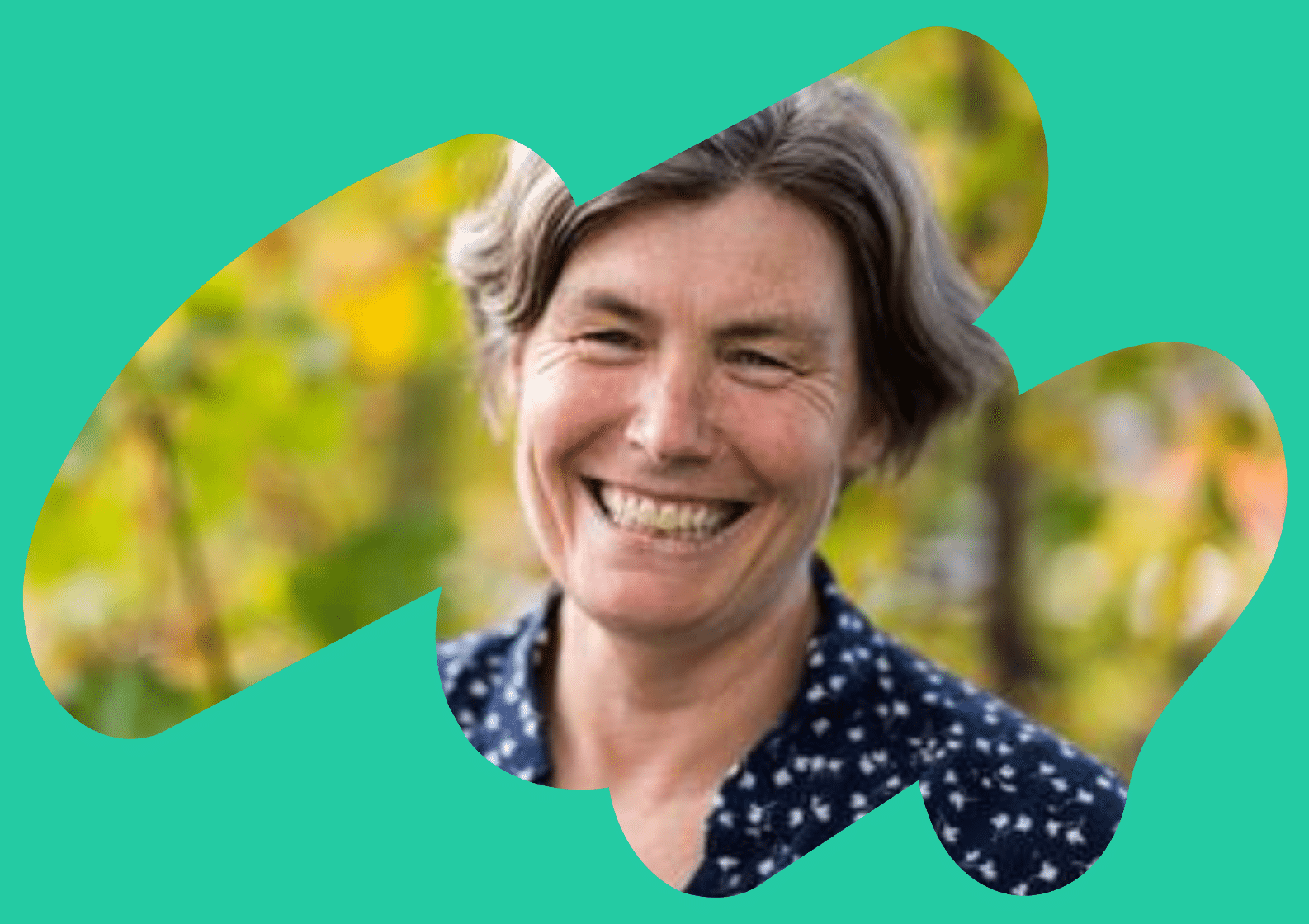
As part of Rethinking Our Health, we hosted our first community pain drop-in, a chance for people to talk things through early, get reassurance, and feel more confident about managing pain. Laura Finucane shares what we learned, and why having the right conversation at the right time really matters.
As part of Rethinking Our Health, we recently hosted our first pain drop-in session. It was a simple idea, but one rooted in a powerful principle: if we support people early, with the right advice and reassurance, we can help them feel confident to manage symptoms before they escalate into something more complex.
The drop-in is designed for people experiencing acute or early pain that has been present for less than 12 weeks. It offers an informal, preventative conversation rather than a clinical appointment. This is not a clinical service, nor a replacement for existing care pathways. Instead, it operates upstream of formal services, supporting people before they feel the need to seek clinical intervention.
By providing trusted, evidence-based advice, guidance, and signposting at an early stage, the drop-in helps people build the confidence and capability to manage symptoms themselves. Traditionally, early pain support sits within primary care, where timely access can be challenging. This approach creates space earlier in the pathway, reducing reliance on clinical services by ensuring people have the right tools at the right time.
Strength-based conversations
conversations were grounded in a strength-based approach, focussing on understanding what was important to each person and working together to agree next steps. Rather than telling people what to do, we supported them to make a plan that made sense in their own lives.
That sense of partnership is critical. It builds capability, not reliance, and reinforces the message that people are not passive recipients of care, but active participants in their own health.
Building confidence, not dependence
Most wanted reassurance, clarity, or guidance on what to do next. They wanted to sense-check their symptoms and understand whether what they were experiencing was “normal,” and how best to respond.
Several people told us that had the drop-in not been available, they would have booked an appointment with their GP. After talking things through, they no longer felt they needed to. They left with practical tools, clearer understanding, and the confidence to manage things themselves. That is exactly the upstream impact we were hoping for.
This is about prevention in its truest sense: supporting people early so they do not need to access services later because they already have what they need.
Challenging outdated beliefs
One of the most striking themes was how persistent some outdated messages about pain still are. Bed rest, for example, has not been recommended for acute back pain since the 1990s, yet we repeatedly heard that people believed resting completely was the “right thing” to do – and many were actively doing it.
These conversations highlighted how valuable early, trusted advice can be. Simply correcting misconceptions and explaining why movement, pacing, and reassurance matter can make a significant difference to how someone experiences pain and recovers from it.
Seeing the whole person
Pain rarely exists in isolation, and the drop-in reflected that. Access to social prescribers and community workers meant that support went beyond musculoskeletal pain alone. Around a third of people attending were signposted to wider community support, recognising the social, emotional, and practical factors that influence pain and recovery.
This broader approach makes a difference. When people feel supported in the things that matter to them – their work, caring roles, mental wellbeing, or social connection – they are better equipped to manage physical symptoms too.
A small intervention with big potential
This first drop-in reinforced why rethinking how and when we support people matters. By going upstream, by normalising early conversations, and by sharing trusted, evidence-based advice in a community setting, we can build confidence, reduce unnecessary demand on services, and help people feel more in control of their health.
For me, this is what Rethinking Our Health looks like in practice: meeting people earlier, listening carefully, and ensuring they leave feeling reassured, informed, and supported.
If you’d like more information about The Community Pain Drop-in, or Rethinking Our Heath
drop us a line at collab@hereweare.org.uk
Also of interest
Rethinking Our Health: Supporting people living with long-term pain
We’ve been asking communities what really matters when they’re living with pain. In this update, we share what we heard, what surprised us, and how this learning is shaping a new three-part support offer for MSK pain that starts locally, builds on existing strengths, and is designed together.
Rethinking Our Health: starting with pain
We’ve been asking communities what really matters when they’re living with pain. In this update, we share what we heard, what surprised us, and how this learning is shaping a new three-part support offer for MSK pain that starts locally, builds on existing strengths, and is designed together.
Rethinking Pain: Insights from The Kings Fund and Here
What if pain wasn’t just something to manage, but a signal for change? The Kings Fund and Here explore how a “do with” approach can transform pain services – focusing on prevention, connection, and holistic support.